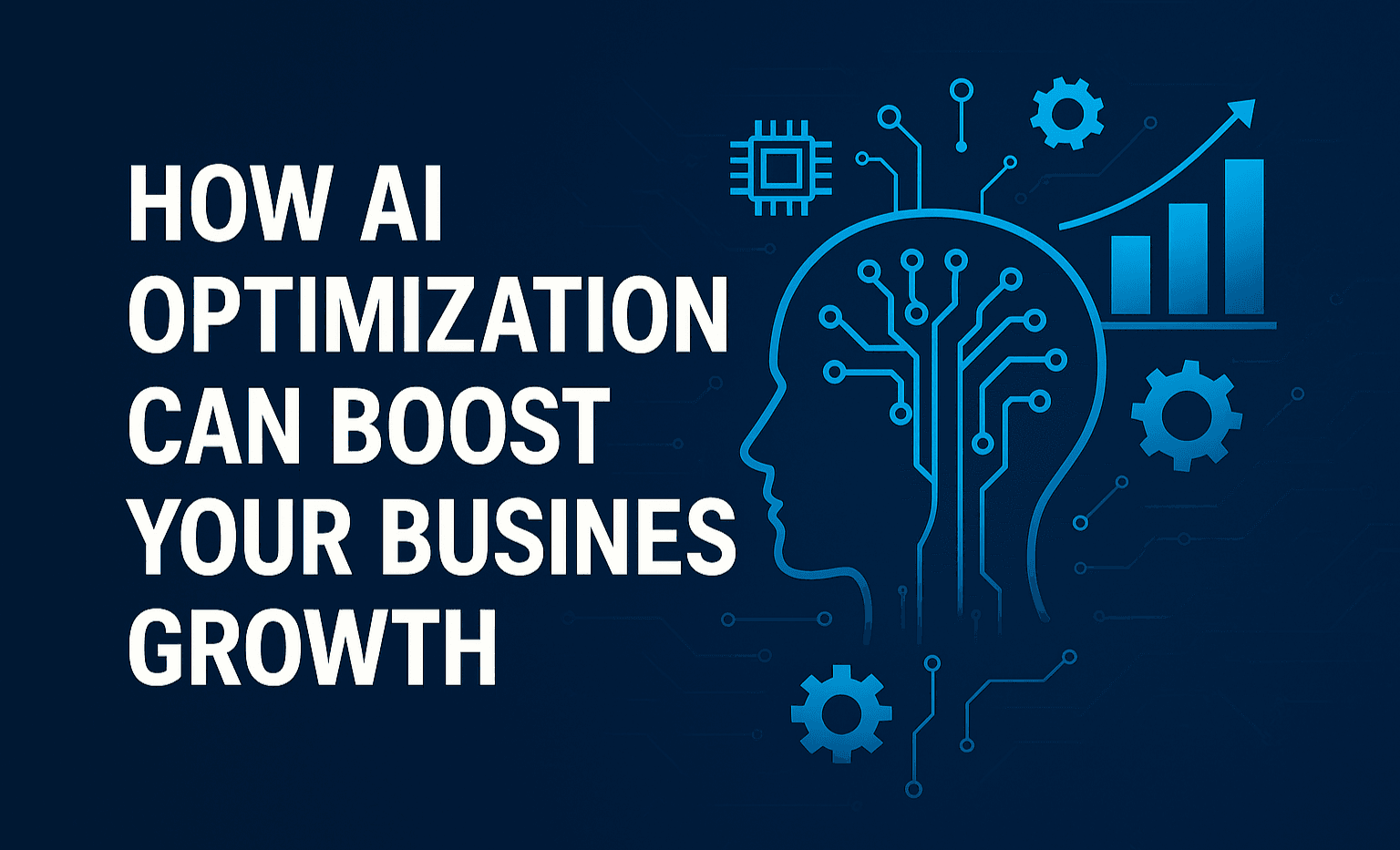
AI Optimization is no longer optional; it’s the heart of modern business transformation. Every company wants faster performance, smarter automation, and solutions that scale without friction. Additionally, optimized AI helps systems run leaner, predict better, and automate with precision.
Moreover, whether you’re streamlining workflows or improving customer experience, AI optimization holds the key. As a result, businesses gain a strong competitive edge when they use advanced solutions like those offered at IT Company.
The Hidden Power Behind AI Optimization
AI is powerful. However, unoptimized AI becomes slow, expensive, and inefficient.
Optimized AI transforms:
- Data processing
- Decision-making
- Customer interactions
- Operational efficiency
- Predictive accuracy
Furthermore, it cuts waste, boosts speed, and elevates performance across your entire ecosystem.
Pro Tip: AI models degrade over time. Therefore, regular optimization keeps systems sharp and responsive.
What Is AI Optimization?
AI optimization is the process of improving AI models, algorithms, and systems so they run faster, use fewer resources, and deliver more accurate results.
This includes:
- Model tuning
- Algorithm refinement
- Data pipeline improvement
- Cost‑efficient cloud scaling
- Performance monitoring
In simple terms, AI optimization ensures your AI works smarter, not harder.
How Does AI Optimization Work?
AI optimization typically uses four core techniques:
1. Algorithmic Acceleration
Efficient algorithms cut compute time without sacrificing accuracy.
2. Model Compression
Shrinking models reduces cost and boosts speed. This approach is especially helpful for large language models and vision models.
3. Automated Retraining
Systems stay accurate through continual learning with fresh data. As a result, performance remains consistent.
4. Resource Optimization
Cloud and edge deployments are fine‑tuned for the best balance of cost and performance.
Did You Know?
Well‑optimized AI can reduce cloud costs by up to 40%.
Well‑optimized AI can reduce cloud costs by up to 40%.
Why Businesses Need AI Optimization More Than Ever
The explosion of data has created new demands. Businesses now need:
- Faster processing
- Real‑time insights
- Scalable automation
- Cost‑efficient operations
Without optimization, AI systems quickly become bottlenecks.
Today, companies across finance, healthcare, retail, logistics, and IT are upgrading to optimized AI to stay ahead. Additionally, businesses using solutions from IT Company benefit from higher efficiency and a stronger return on investment.
Secret #1: Automate High‑Value Tasks First
Start with:
- Manual workflows
- Repetitive tasks
- Time‑intensive operations
By focusing on these areas first, AI optimization creates instant efficiency and noticeable cost reduction.
Secret #2: Use Smaller Models for Faster Performance
Bigger isn’t always better. In many cases, smaller, distilled, or compressed models run faster, reduce cloud usage, and respond in real time. This makes them ideal for chatbots, recommendation engines, and automation tools.
Secret #3: Improve Data Quality Before Optimizing Models
Clean data leads to better AI performance.
Focus on:
- Removing duplicates
- Fixing inconsistencies
- Normalizing and labeling data correctly
Fun Fact:
Bad data causes 70% of AI performance issues.
Bad data causes 70% of AI performance issues.
Secret #4: Optimize Your Cloud Infrastructure
Many businesses overspend on compute. However, smart optimization helps control those costs.
It includes:
- Auto‑scaling
- Multi‑zone failover
- Load balancing
- Cost‑performance tuning
In addition, IT Company’s AI solutions integrate these optimizations to ensure faster performance and lower operating costs.
Secret #5: Add Real‑Time Monitoring for Continuous Improvement
AI is not “build once.” It evolves.
Real-time monitoring tracks:
- Accuracy drift
- Performance drops
- Operational anomalies
Because of this, systems can auto‑tune and stay efficient without manual intervention.